
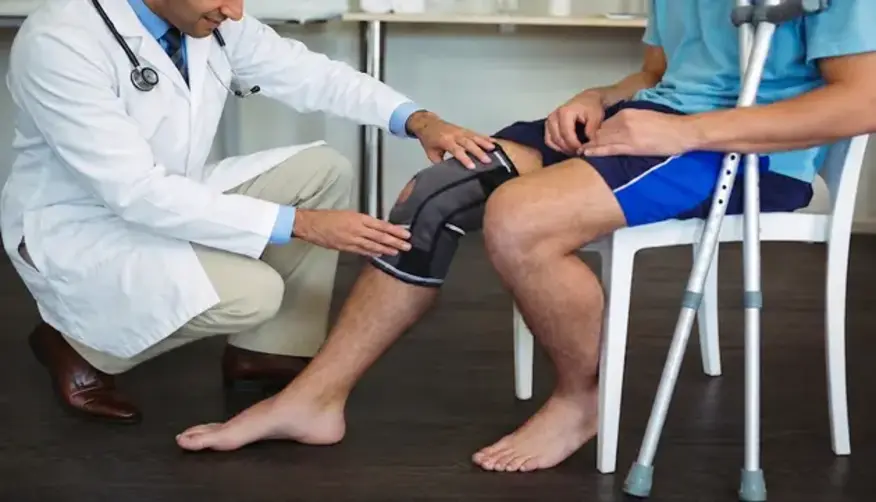
Patients returning to Kuwait after knee or hip replacement need a clear follow-up plan before they travel. Recovery does not end when the patient leaves the operating hospital. Ongoing review, medication management, wound observation, physiotherapy and awareness of warning signs remain important during the first weeks and months after joint replacement.
Dr. Muthana Sartawi is listed by New Mowasat Hospital in Salmiya as a Consultant Orthopedic Surgeon within its International Visiting Doctors program. Because visiting schedules can change, patients should confirm his current Kuwait dates and appointment availability before attending.
Before Returning to Kuwait
Patients should obtain approval from their treating surgeon before travelling after surgery. There is no single flight timeline that is appropriate for every patient. The timing depends on the type of joint replacement, the patient’s medical condition, mobility, blood-clot risk, wound status and the length of the journey.
The CDC notes that recent surgery is a risk factor for venous thromboembolism and that long-distance travel, generally more than four hours, can add risk because of prolonged immobility. Read the CDC guidance on blood clots and travel.
Before departure, patients should have a written plan covering medicines, blood-thinning treatment if prescribed, mobility aids, wound care, physiotherapy and who to contact if symptoms change.
What Documents Should Patients Bring Back to Kuwait?
Keeping a complete medical file makes local follow-up easier and can reduce delays if another clinician needs to review the case.
- Hospital discharge summary
- Operative report describing the procedure performed
- Implant or prosthesis information, if provided
- Recent X-rays or other post-operative imaging
- Current medication list, including blood thinners and pain medicines
- Wound-care instructions and dressing information
- Physiotherapy and home-exercise plan
- Any laboratory results or specialist notes relevant to the recovery
- Emergency and follow-up contact information from the treating team
Travel and Blood-Clot Prevention
Long periods of sitting after recent surgery can increase blood-clot risk. The patient should follow the surgeon’s individual travel instructions rather than starting medicines or compression devices independently.
- Move the legs regularly during the journey and, when safe, get up and walk periodically.
- Use prescribed blood-thinning medication exactly as directed.
- Keep mobility aids accessible rather than placing them where they cannot be reached.
- Ask the surgeon whether compression stockings or other preventive measures are appropriate for the individual patient.
- Arrange airport assistance if walking long distances is still difficult.
The CDC advises travelers at increased risk of blood clots to discuss prevention with their doctor and recommends frequent leg movement during long trips. CDC travel guidance.
For additional travel-safety context, see the CDC Yellow Book guidance on DVT and pulmonary embolism and the CDC medical tourism guidance on post-operative travel and continuity of care.
The First Days Back in Kuwait
Once home, the patient should continue the discharge plan provided by the surgical team. Recovery varies from person to person, so progress should be judged against the patient’s own clinical plan rather than a fixed online timeline. Additional guidance is available in Total Knee Replacement Surgery Recovery Time, How to Reduce Swelling After Knee Surgery and Hip Replacement Recovery Timeline.
- Take prescribed medicines at the correct dose and time.
- Continue the prescribed walking and exercise program.
- Use a walker, crutches or cane for as long as the treating team recommends.
- Follow the wound and dressing instructions exactly.
- Keep scheduled physiotherapy and follow-up appointments.
- Avoid adding new exercises, supplements or medicines without discussing them with the treating team.
Wound Monitoring and Infection Warning Signs
Some swelling, warmth and bruising can occur during normal healing, but patients should know which changes require prompt medical review. The American Academy of Orthopaedic Surgeons lists persistent fever, chills, increasing redness or swelling around the wound, drainage and increasing pain as warning signs of possible infection after joint replacement. More information is available in AAOS Joint Replacement Infection, AAOS Preventing Infection After Joint Replacement and AAOS: Preventing Infection After Joint Replacement.
A patient who develops concerning wound changes should contact the treating team promptly. Severe illness, rapidly worsening symptoms or signs of sepsis require urgent local medical care rather than waiting for an online response.
Blood-Clot and Pulmonary Embolism Warning Signs
AAOS advises patients to seek medical attention for possible blood-clot symptoms such as increasing calf pain, tenderness or redness, and new or increasing swelling of the calf, ankle or foot. Sudden shortness of breath or sudden chest pain can be signs of a pulmonary embolism and require urgent emergency assessment. More information is available in AAOS: Activities After Total Knee Replacement and AAOS: Total Joint Replacement.
Physiotherapy After Returning to Kuwait
Rehabilitation is a central part of joint replacement recovery. The physiotherapy plan should be based on the operation performed, the patient’s strength, range of motion, balance and walking ability. Patients should continue the program prescribed by their surgeon and physiotherapist rather than using a generic exercise schedule from the internet.
Related guides: Before and After Knee Replacement Surgery and Partial Knee Replacement Guide
For knee replacement, rehabilitation commonly focuses on safe walking, knee movement and progressive muscle strengthening. For hip replacement, the plan may include walking progression, strength and balance work, together with any movement precautions prescribed for the specific surgical approach.
Same-Day Knee Replacement and Recovery Information
Follow-Up With Dr. Sartawi’s Team
According to the practice’s patient follow-up process, a dedicated WhatsApp group may be created for each patient to support post-operative communication with Dr. Sartawi and his multidisciplinary team, including orthopedic, physiotherapy and internal-medicine support. This communication can help patients raise non-emergency questions during recovery.
Electronic follow-up does not replace urgent medical assessment. Patients with severe pain, chest symptoms, major wound changes, loss of consciousness or other rapidly worsening symptoms should seek emergency care in Kuwait.
Follow-Up at New Mowasat Hospital in Kuwait
Dr. Sartawi’s official website lists New Mowasat Hospital as his hospital in Kuwait and publishes the Kuwait WhatsApp number +965 9474 7760. Patients can use this number to contact Dr. Sartawi’s team and may also contact New Mowasat Hospital directly to confirm appointment availability and the current visiting schedule. New Mowasat Hospital is located on Yousef Ben Hamoud Street, Salmiya 22077, Kuwait, and its main telephone number is +965 1826666. For more information, patients can visit the New Mowasat Hospital contact page, Dr. Sartawi’s official Contact Us page, or Dr. Sartawi’s profile at New Mowasat Hospital.
What Should Be Reviewed at a Follow-Up Appointment?
The exact follow-up assessment depends on the operation and stage of recovery. It may include review of pain control, the wound, swelling, walking, range of motion, medication use, physiotherapy progress and any new symptoms. The clinician may also review post-operative X-rays or order additional testing when clinically indicated.
Patients should bring their operative and discharge records, current medication list, recent imaging and any physiotherapy notes to the appointment.
Returning to Daily Activities
The return to driving, work, exercise and other activities is individualized. AAOS notes that recovery after joint replacement differs between patients and that following the treating team’s instructions is important. Patients should obtain specific clearance before driving or returning to physically demanding work.
For longer-term activity guidance, see Life After Total Knee Replacement Surgery and Running After Knee Replacement. Patients should follow their own surgeon and physiotherapist rather than a generic timeline.